
Understanding Complex Mental Health Care: What It Means and When It’s Needed
Mental health care can range from short-term support during a period of difficulty to long-term assistance for people with severe and enduring conditions.
For some adults, mental illness can affect much more than mood or thought patterns. It may interfere with self-care, relationships, communication, physical health, decision-making and the ability to live independently.
This is where the term ‘complex mental health’ care becomes relevant. It generally describes support for people whose needs are persistent, interconnected or difficult to manage through ordinary community arrangements alone.
Understanding what makes care complex can help families and professional referrers recognise when a more structured residential setting may be appropriate.
What makes a mental health need complex?
There is no single diagnosis that automatically means someone requires complex care.
NICE uses the term ‘complex psychosis’ for people with a psychotic illness who have severe, treatment-resistant symptoms and significant difficulties with everyday or social functioning. These difficulties may occur alongside cognitive impairment, another mental health condition, a neurodevelopmental condition or physical illness.
The important point is the interaction between these needs.
For example, someone may experience persistent psychotic symptoms while also struggling with medication management, nutrition, mobility or maintaining a safe home. Another person with the same diagnosis may remain largely independent.
Complexity is therefore about how a person's condition affects their life and the level of support required, rather than the diagnostic label alone.



Which conditions can require this level of support?
Complex mental health needs can occur with a range of severe and enduring conditions.
Schizophrenia, bipolar disorder and other psychotic illnesses can sometimes cause persistent symptoms that make everyday functioning difficult. However, the diagnosis itself does not determine the appropriate care setting.
NICE notes that people with complex psychosis may also have substance misuse, neurodevelopmental conditions, cognitive difficulties or physical health problems. These additional factors can significantly increase the support required.
This is why a good assessment looks at the person's functional needs as well as their symptoms.
Can they prepare food safely? Do they understand their medication routine? Can they manage personal care? Are they able to recognise when they are becoming unwell? These practical questions can reveal needs that a diagnosis alone cannot.
When might residential care be appropriate?
Residential care may be considered when someone needs more consistent support than can reasonably be provided in their current accommodation.
This does not necessarily mean they need hospital treatment. It’s recommended that rehabilitation use the least restrictive setting appropriate to the person's needs, and that supported accommodation, including residential care, be considered as a possible longer-term option.
A person may require this level of support after repeated periods of hospital care, difficulties managing independently or when an existing placement can no longer meet their needs.
The objective should not simply be containment. Where appropriate, rehabilitation aims to help people develop or regain practical skills and move towards greater independence.
NHS England's current guidance similarly describes community mental health rehabilitation as supporting people with severe mental illness to live in the least restrictive setting while developing skills, confidence and autonomy.
The right arrangement will depend on the person's clinical needs, risks, abilities and existing professional support.
What does day-to-day support actually involve?
Good care extends beyond monitoring symptoms.
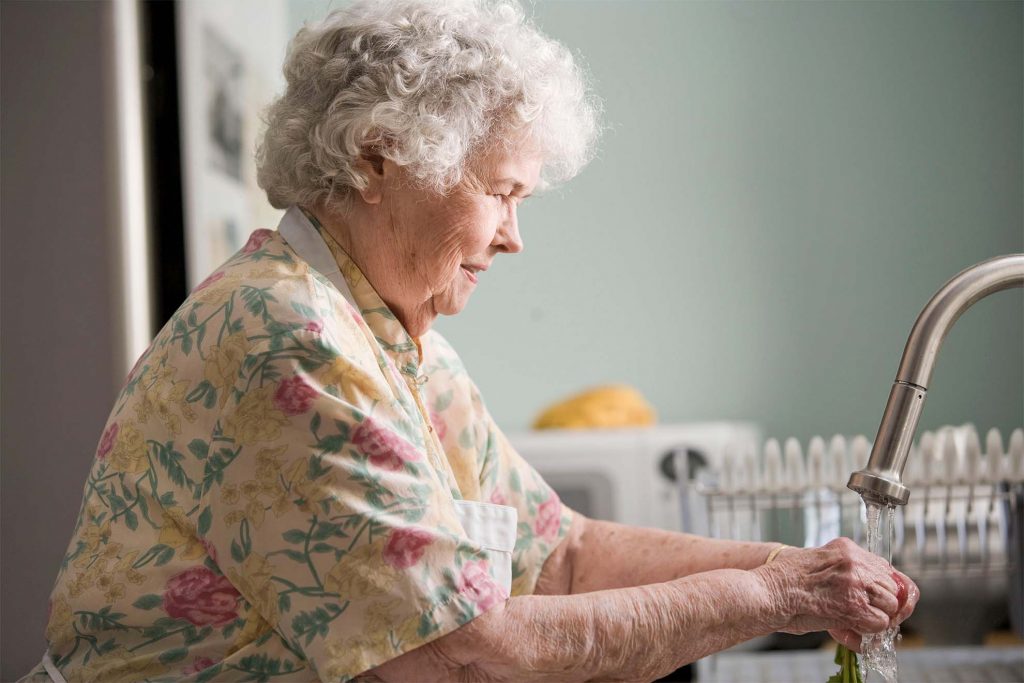
Everyday support can include maintaining routines, encouraging personal care, helping with communication and supporting participation in ordinary activities. These seemingly simple tasks can form an important part of rehabilitation.
Clinical rehabilitation programs for individuals with complex psychosis prioritise practical interventions to help people regain their independent living skills. Official guidance recommends providing structured, hands-on activities that directly support individuals in developing and maintaining the core competencies needed for everyday life, which include practising personal self-care, cooking meals, doing laundry, managing a personal budget, shopping, navigating public transport, and building communication skills using digital technology.
The aim is not to do everything for someone. Where a person can complete a task independently, appropriate support should allow them to do so.
This distinction matters because excessive assistance can unintentionally reduce independence. Good support should identify what a person can do, where they need help and what skills might be developed further.

Why are physical health needs important?
People with severe mental illness can also experience significant physical health needs. This is included in a comprehensive assessment for people receiving rehabilitation for complex psychosis. Areas considered can include nutrition, physical activity, continence, oral health, vision, hearing and swallowing, alongside existing physical conditions.
This matters because a change in physical health can affect mental wellbeing and behaviour. Equally, mental health difficulties can make it harder for someone to recognise symptoms or seek help.
For some residents, this creates a need for both mental health support and nursing oversight.
Residential staff do not replace specialist medical services. Instead, they provide the day-to-day support and monitoring that sit alongside appropriate healthcare involvement.
How does rehabilitation fit into long-term care?
Rehabilitation is often misunderstood as something that happens only after an illness or injury. In mental health, rehabilitation can be a longer-term process focused on helping someone achieve the greatest practical independence possible.
It’s recommended setting personal goals around skills, interests and aspirations. Progress may involve learning to manage everyday tasks, increasing community participation or developing greater confidence with aspects of daily life.
Progress will not look the same for everyone. For one person, success may mean preparing a simple meal independently. For another, it could mean taking part in an activity, managing part of their medication routine or becoming more confident in communicating their needs.
This makes regular review important. Support should be capable of changing when the person's abilities or circumstances change.
What should families and professional referrers look for?
The suitability of a care setting depends on more than whether it says it supports mental health needs.
Families should ask how the person's needs will be assessed, how care plans are reviewed and what happens when there is a significant change in presentation.
It is also worth asking how the setting works with existing healthcare professionals. Mental health rehabilitation is normally part of a wider pathway rather than an isolated service. It’s recommended to have multidisciplinary working involving appropriate professionals across health and social care.
For professional referrers, the assessment should establish whether the proposed placement can safely meet the person's specific requirements.
Barton House states that referrals begin with a review of an individual's needs, risks and placement requirements, followed by consideration of supporting clinical information and a pre-admission assessment.



What can families do to support a successful transition?
Moving into residential care can involve a substantial change in routine.
Families can make the transition more informed by sharing practical knowledge that may not be obvious from clinical records. This could include communication preferences, established routines, interests, previous difficulties and signs that the person may be becoming distressed. Personal belongings can also help maintain continuity.
Professional referrers also have an important role. Accurate clinical information helps the receiving team understand the person's current presentation and support requirements before admission.
After the move, communication should continue. Mental health needs are not static, and changes in physical health, medication, behaviour or independence may require the care plan to be reconsidered.
Frequently Asked Questions
What is complex mental health care?
It is care and support for people whose mental health needs are significant, enduring or interconnected with other difficulties, resulting in substantial support requirements in everyday life.
Does someone need a particular diagnosis to receive this type of care?
No. Diagnosis is relevant, but the level of support required depends on the person's symptoms, functioning, risks, physical health and ability to manage daily life.
Is residential care the same as psychiatric treatment?
No. Residential care provides accommodation, daily support and care. Psychiatric diagnosis and medical treatment remain the responsibility of appropriate healthcare professionals.
Can someone receive mental health and nursing support together?
Yes. Some adults have significant psychological and physical health needs at the same time. Barton House provides both complex mental health care and complex nursing care, subject to individual assessment.
What should I ask before considering a placement?
Ask how needs are assessed, how care plans are reviewed, how physical and mental health changes are managed, and how the home communicates with families and existing healthcare professionals.
Every person's circumstances are different, so the right care setting should be based on their individual needs, abilities and level of support required. For families and professionals in Staffordshire, taking time to understand these factors can make conversations about future care more focused and meaningful.
To learn more about the support available at Barton House, visit the complex care information or, for professional enquiries, see the referral information. A conversation with the care team can help establish whether the home is suitable for the person's particular circumstances.